What Is a Wet-Led Pub and Is It Right for You?
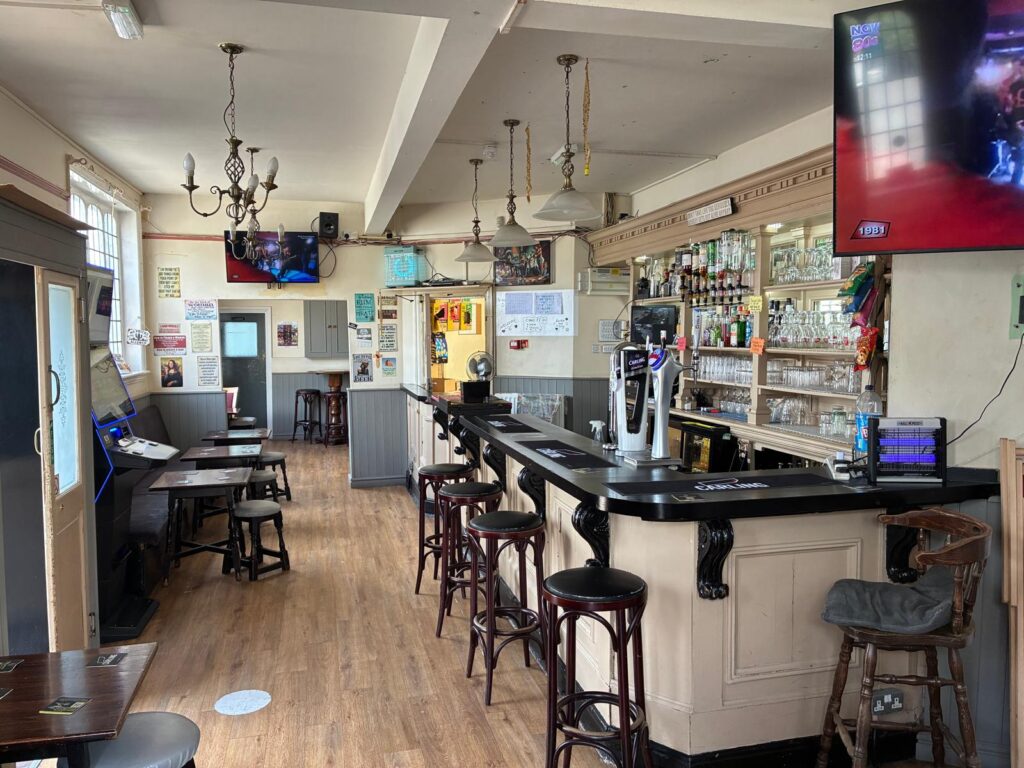
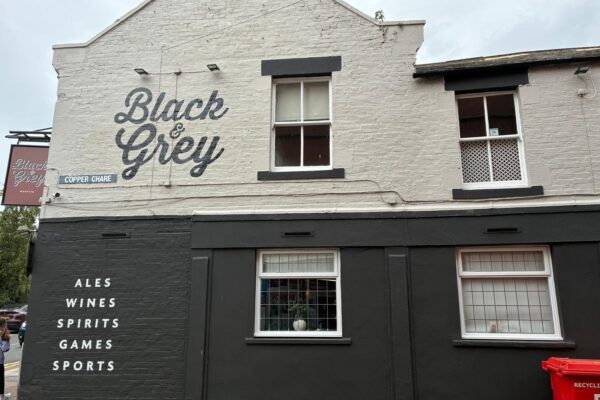
Wet-led is simply a term used for pubs that make most of their sales from drinks, as opposed to food. That doesn’t necessarily mean there won’t be anything to eat. It’s just that food plays a much smaller part in the overall business, if offered at all.
If you’re looking at pubs to run, it’s useful to understand the difference since the day-to-day experience can be quite different from that of a food-led pub. Wet-led only refers to the way the pub trades. It doesn’t describe the agreement you’ll have with Admiral or how much work goes into running it.
How Does a Wet-Led Pub Differ from a Food-Led Pub?
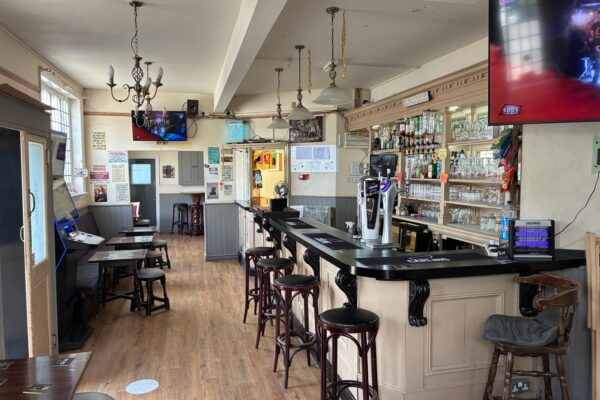
With a wet-led pub, people are generally coming in for a drink rather than specifically visiting for lunch or dinner. The bar therefore tends to be at the centre of things, whereas a food-led pub will usually have much more going on in the kitchen as well.
That difference can change the team you need around you, especially when the pub gets busy. If food is a big part of the offer, you’ll need people in the kitchen and may find that lunch and dinner are particularly important parts of the day. A wet-led pub, on the other hand, could have a very different pattern of trade depending on its customers and its location.
Of course, it doesn’t have to be one or the other. Plenty of wet-led pubs still serve food. It just isn’t the main focus. If you’re interested in that side of the business, have a look at our guide to running a food-led pub for more insight into what’s involved day to day.
What Makes People Return to a Wet-Led Community Pub?
People return to a good pub because they enjoy being there. It’s that simple, really. That starts with the drinks, which need to be well kept and served properly, but it also depends on the welcome they get and the atmosphere in the pub during the time they’re there.
Getting to know your regular customers will naturally become a big part of this. Over time, you’ll learn what people drink, who they normally come in with and when they tend to visit. That can help you decide what else might work when looking at the bigger picture.
For one pub, a weekly quiz could be really popular, while somewhere else it might be live sport, music or having local pool and darts teams. You certainly don’t need to do all of them. What works will depend on the pub and the community around it.
Ultimately, it’s about giving people a local they enjoy coming back to. We look at some of the different ways to do that in our guide to making your pub the heart of the community.
What Does Running a Wet-Led Pub Involve Day to Day?
Even where there’s no large kitchen to operate, there’s still plenty going on behind the scenes in a wet-led pub. Cellar management is a priority in any pub. Drinks need to be stored correctly, lines kept clean and stock monitored so you know what’s selling and where any wastage might be happening.
Then you’ve got the actual pub to look after. That means keeping the bar and customer areas clean, making sure everything is ready for opening and organising your team so you’ve got enough people working when you need them.
Customer service is naturally a big part of the day as well. You need to maintain the same standards whether you’ve got a handful of regulars at the bar or customers are several deep on a busy Friday night, while also making sure alcohol is being served responsibly.
Evenings and weekends can be particularly busy, although exactly when you’ll need the most cover will depend on the individual pub and how it trades.
What Skills and Working Style Suit This Type of Pub?
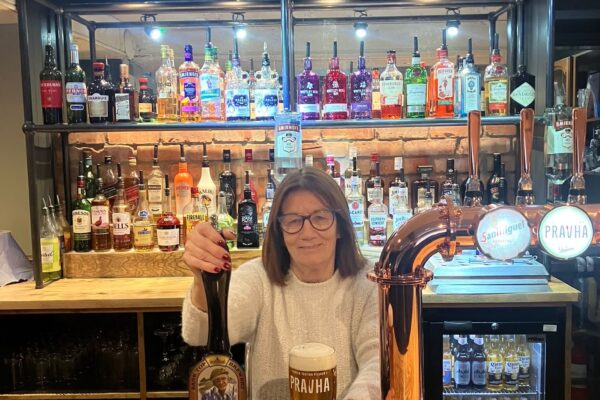
Running a wet-led pub will probably suit you best if you genuinely enjoy spending time around customers. You’re likely to be fairly involved with the day-to-day running of the pub, particularly around or even behind the bar, so being comfortable talking to people and getting to know your locals makes a real difference.
There’s more to it than just being sociable, though. You’ve still got a team to organise and a business to run, which means staying on top of trade, keeping track of stock and understanding where the strengths are while working on the weak points too.
If most of your experience has been in food-led venues, think about which side of the job you enjoy most. You might find that you prefer being out front, talking to customers and managing a busy bar rather than having a large food operation to worry about out of sight. If so, a wet-led pub could suit the way you like to work.
What Should You Ask Before Choosing a Wet-Led Pub?
Before choosing a wet-led pub, you’ll want to know a little more about the business you’re actually taking on. Who are the current customers? When does the pub tend to be busiest and when is it quieter? It’s also worth having a look at the other pubs nearby and what they’re doing.
Then there’s the existing drinks offer and anything else the pub is already known for. You might be looking at somewhere with established darts teams, a popular weekly quiz or customers who regularly come in to watch sport. Those are all useful things to know before you start thinking about what you might do differently.
You’ll also need to know which route you’re looking at. Admiral offers tenancy and lease agreements, while Proper Pubs uses an operator-managed model. The responsibilities under these arrangements aren’t the same, so be sure to ask the recruitment team exactly what’s involved with the particular pub you’re considering.
How Can You Explore Suitable Admiral Pub Opportunities?
The best place to start is by having a look through the pubs currently available and seeing which ones actually interest you. Read through the individual listings as the trading style, location and existing customer base can be quite different from one pub to another.
If you find somewhere that looks like it could suit you, have a chat with the recruitment team about your experience and the type of pub you’re looking to run. You don’t necessarily need to have worked in another wet-led pub before, particularly if you already have plenty of relevant hospitality experience.