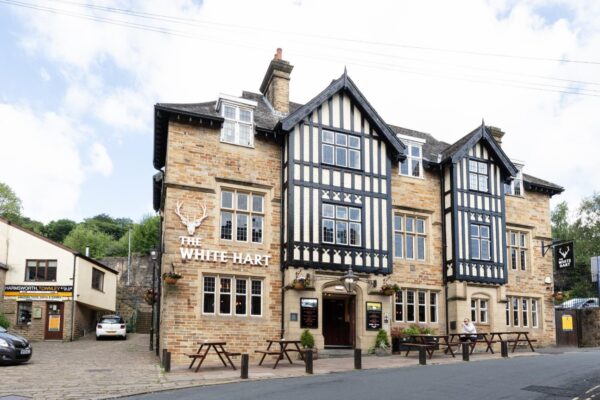
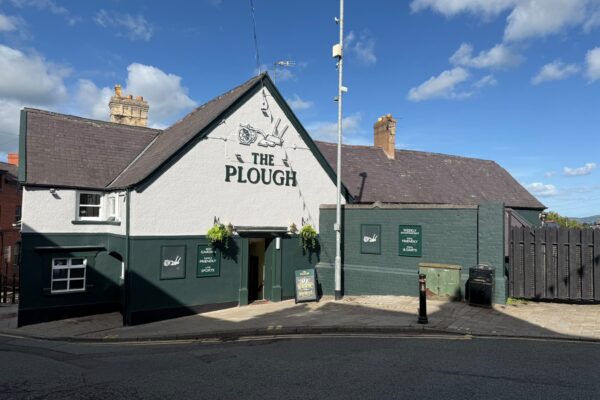
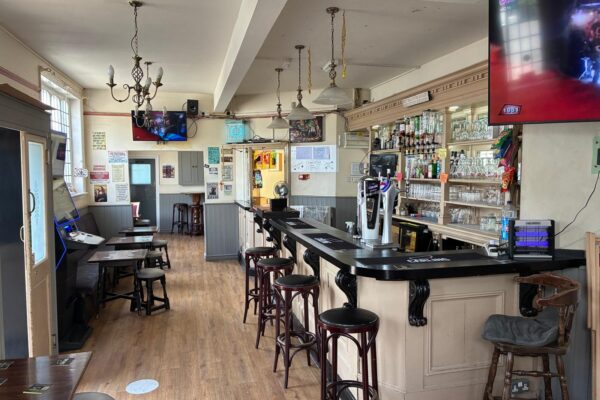
Why Location Still Matters When Choosing a Pub to Run
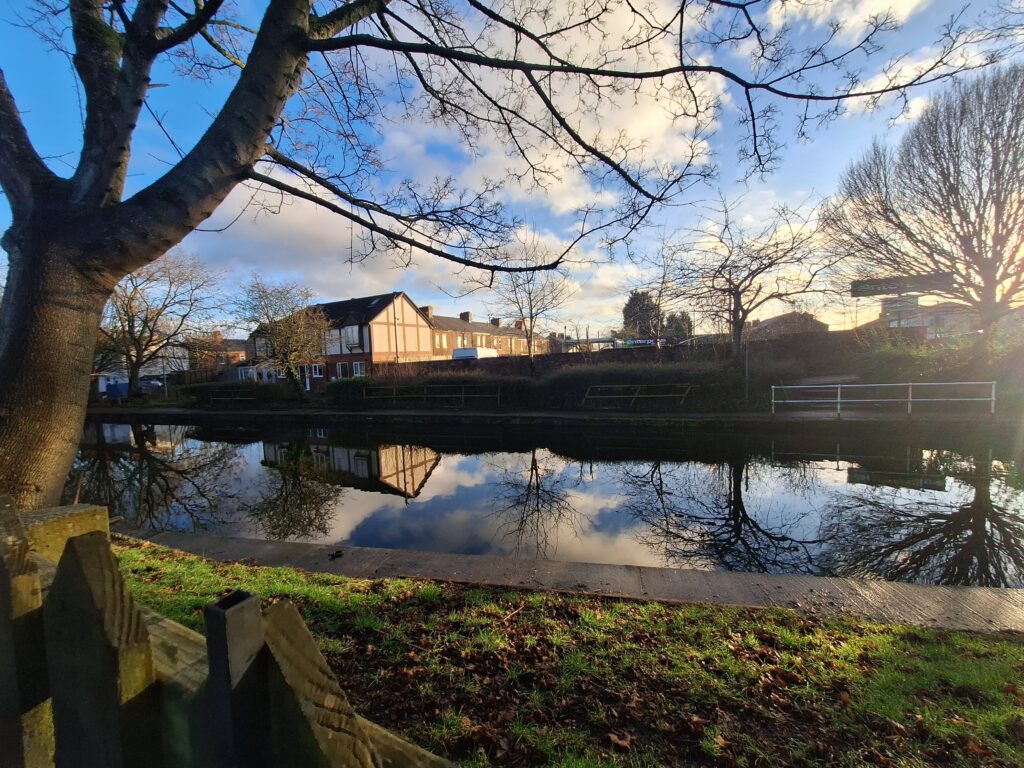
If you’re looking at running your first pub, it’s easy to get distracted by the visual appeal of the pub itself rather than its actual location. The condition, the bar, the layout and maybe even how you’d change it once you’re in are all important, but that’s only part of the bigger picture. And while it’s what most people naturally pay attention to at first, there’s a little more too than meets the eye.
Once you get passed the initial excitement, it’s the pubs physical location that usually decides whether it will be a success or not. And we’re not just about postcodes here. We’re talking about where the pub sits within its local community surroundings, its curb appeal, and the footfall.
Why does location still matter so much when choosing a pub?
Where the pub to let actually sits on the map is just the start. To get the bigger picture, you’ll need to look at what surrounds it and the potential footfall through the area. A pub that’s near a housing estate for example, will be more popular with regulars calling in throughout the week, while one closer to offices or town centres may see short busy periods at certain times of the day. That difference alone can really change the way how you choose a pub run, and how you actually run it.
Location also affects the overall pace of the business. Some pubs can feel steady and predictable, while others are more up and down depending on the day or time of year. When you’re choosing a pub to run, understanding this early on can you shortlist more appropriate listings.
How does a village pub differ from a town or city pub?
In a village location, the pub sits at the centre of day to day life for many. You tend to see the same faces regularly, and trade builds through familiarity rather than volume. That can be steady and rewarding, but it also means the pub needs to be consistent with a community feel. Regulars can be fussy and will notice small changes quickly which don’t always go down well!
Town and city pubs work slightly differently. Since there is usually more passing trade, people might visit less frequently, but when they do, its in higher numbers. You may get busier periods around evenings or weekends, with quieter gaps in between.
There is nothing to suggest one setup being better than the other, it just really depends on how you want to run things. Some operators prefer the routine of a village pub, while others enjoy the pace and variation that comes with a busier town or city location.
What local factors should operators pay attention to?
Considering local factors is essential for building up better idea of how successful a site could be. After all, it’s the small details that can make the biggest differences when it comes to running pubs.
Look at potential footfall and who actually lives nearby first. Is it mainly families, older residents, or a mix of both? Is there a dense housing population within walking distance, or is the pub a little more out of the way? This is all important as it will establish how often people visit your pub and what they expect when they do.
When we talk about local factors, we’re referring to what’s in close proximity to the pub. Nearby employers, schools, sports clubs, and transport links all affect how often people frequent your area. A pub close to a train station or on a main transport route might see short, regular visits, while one near a football ground for example, will almost certainly see weekend peaks. Parking is equally important, especially for pubs out of town or in more remote areas.
How can the right location support the type of pub you want to run?
What might surprise some is that the location of your pub often determines how you’ll need to run it, whether you planned for it or not.
Some areas naturally suit a community-focused approach, where regulars are frequent and drive the majority of the trade. Others lean more towards sport, passing trade, or a mix of customers who come in less often but in bigger numbers. In certain spots, you might find there’s room to build a food offer or to run events, but that usually depends on what people nearby already expect rather than what you would ideally like to introduce.
This is where it helps to be honest with yourself. It’s easy to picture what you would like the pub to become, but the location tends to shape what is actually realistic.
What mistakes do people make when judging a pub’s location?
It’s easy to walk into a pub, fall in love with it, and assume the rest will fall into place. That’s where people sometimes get caught out. A good-looking pub in the wrong spot can be much harder to run than a simpler one in an area that naturally supports it.
Another common mistake we see time and time again is assuming busier means better. A pub in a busy location might look appealing on the listing, but that doesn’t always turn into the kind of trade you might be expecting. If people are passing through rather than stopping, or if there’s strong competition nearby, it can be more challenging than expected.
What we also notice a lot of the time is how people tend to overlook how the local demographic affects things. Who lives nearby, when they go out, and how often are all equally important things to consider and sometimes means what you plan to offer and what will be well received don’t quite match up.
How does Admiral Taverns help people find the right pub in the right place?
As you look at different pub lease opportunities, the recruitment team at Admiral Taverns will help you take a step back in order to look at the bigger picture, rather than just the physical appearance of the pub itself.
If you do decide to move forward and run a pub with Admiral Taverns, you’re doing so with a clearer understanding of what the location brings with it and not just the building. That includes what support is available, but also how to approach the opportunity in a way that feels realistic from the start, particularly if you are new to the trade.