What Should You Look for When Viewing a Pub to Lease?
For anyone currently looking for Pubs to lease, getting to the viewing stage usually means things have started to progress in your search. Up to this point, you’ve probably just been browsing listings, comparing locations, and maybe starting to imagine how you would put your own spin on a place.
The viewing is where that shifts as you’re no longer looking at photos or descriptions. When you’re standing in the pub itself, you get a better idea of whether it makes sense for you to take the next steps.
Why is a pub viewing so important before taking on a lease?
Physically viewing a pub is more about whether the pub simply “looks nice”. It’s the stage where you’ll begin to access its suitability and whether it matches with your own skills and goals.
Looking at an endless reel of photos is beneficial in the early stages of your search, but they really don’t tell you how the space really feels from a practical standpoint, or how it would run on a busy evening. When you’re standing in the pub itself, or behind the bar, you start to notice things that perhaps wouldn’t have come across on a listing. And that’s a good thing. It’s at this stage that the practical questions begin.
It’s also the point where you can start asking yourself whether the pub fits with your own goals and overall vision. Some places can feel pretty straightforward, while others can raise immediate questions or concerns straight away. Neither is a bad thing, but it helps you avoid committing to something that looks right online but doesn’t quite meet your expectations once you’re inside.
What should you look at inside the pub?
Once you’re at the viewing, it really helps to take your time and make note of how the space actually works rather than just how it looks.
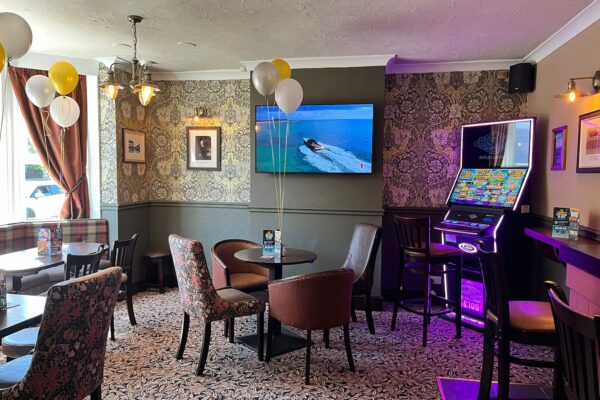
First off, look at the overall condition of the trading space. Some pubs may need a little TLC, so if this fits into your plans, try to look past the current décor, condition or layout. If you need something that’s a little more ready to go from the outset, physical condition is going to matter more during your first viewing.
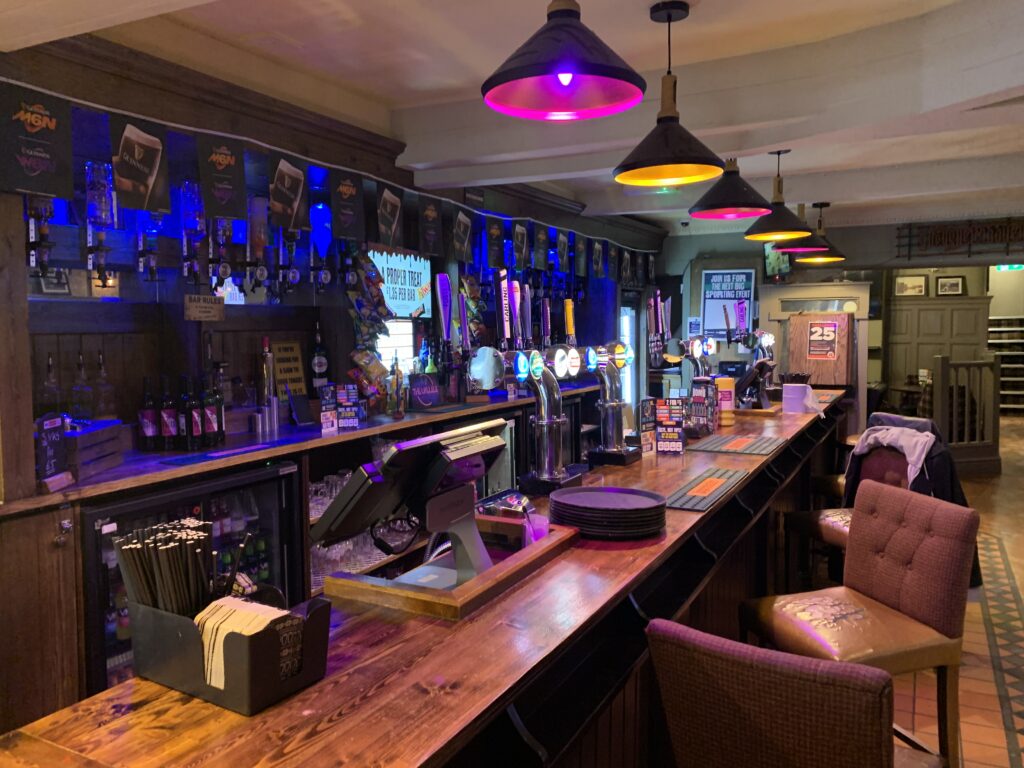
Then look at practicality. Is the internal layout and bar area big enough to move around in during a busy service? Can two or three people work easily behind the bar without getting in each other’s way? Seating areas should already be clearly defined, and if not, would it feel awkward to manage? Small things like sightlines, access between different areas, and where customers naturally gather tend to matter to a greater extent, especially if the pub has more of a “locals” feel to it.
Then, move onto how the pubs runs day to day. Is the cellar in good condition and is it easy to access? Does it feel practical to manage deliveries and stock? You don’t need to be an expert at this stage, but what you should be able to do is picture yourself working it day to day. The same goes for till systems, storage, toilet facilities, disabled access and any kitchen space if there is one. You’re not after complete perfection at this stage by any means, but you need to be sure the pub and its space are something that you feel will be workable in line with your own vision.
What should you check outside the pub?
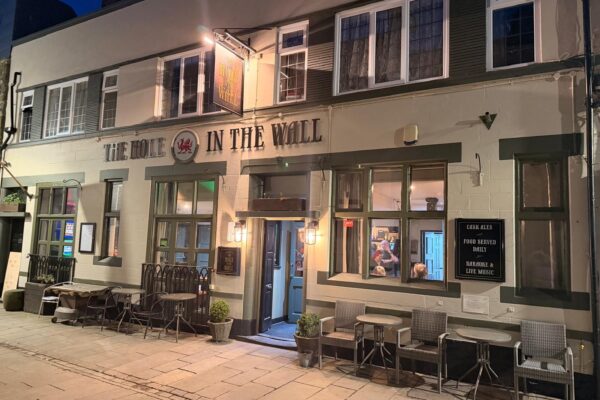
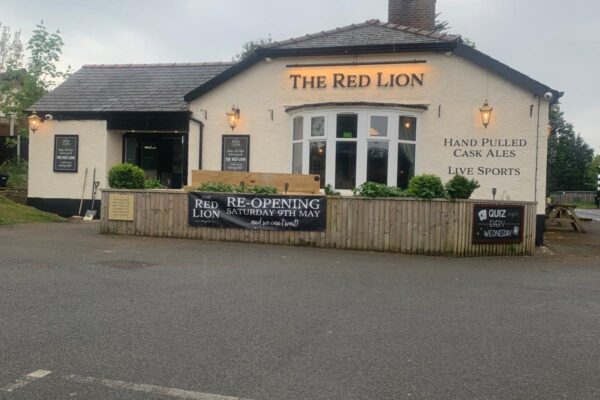
First impressions really do count in the pub trade. The outside of the building often tells you more about the pub itself and what kind of environment people can expect.
Start by looking at how visible the pub is from its location. Can people spot it easily as they pass, or does it sit slightly tucked away? A pub that’s hard to see (or hard to find), often requires more effort in order to draw people in. Then, look at actual the frontage itself. Signage, lighting, and general condition are all important for trade, local appeal and ease of operation.
Outdoor is equally important. Pubs that have a decent beer garden, terrace, or even a small seating area can make a real difference, particularly during the summer and in warmer months. At the very least, you need to make sure there’s an adequate sheltered area for smoking. You’ll also need to look at parking and access for deliveries. If the pub is awkward to get to or there’s nowhere to park nearby or on site, that can seriously limit how often people choose to visit you. None of these things are necessarily deal-breakers on their own, but together they give you a clearer sense of how the pub fits into its surroundings.
How can you tell whether the pub suits your operating style?
Everyone’s going to be slightly different when it comes to operating style and where one pub might be suitable for you, it may not be for someone else.
As you walk around, it’s worth asking yourself how you would run the place day to day. Does it feel like a pub is wet-led and relies on regulars and a community feel, or is it one that requires more of a food-supported approach? Neither option is necessarily better than the other, but they will suit different ways of working and will have slightly different business plans from the outset.
More importantly, you also start to get a sense of whether your own ideas would fit. It’s easy to walk into a pub and think about what you would change, but not every site lends itself to every approach. Sometimes the best decision is recognising that a pub doesn’t quite match how you want to operate, even if it looks good on the surface.
What questions should you ask when viewing pubs to let?
During your viewing, you will undoubtedly have questions, but it’s worth asking more than just the obvious. This is your chance to really understand how the pub really works and how it could potentially work with your own plans.
We’d usually recommend you start with how the pub has been trading recently. When is it busiest? Are there quieter periods that come around each week or seasonally? That helps you picture what a normal month might look like rather than relying on guesswork. It’s also sensible to ask about the previous setup and whether it was wet-led, food-led, or a mix of the two.
You should also ask about the more practical side of things with questions that sometimes get forgotten on a first viewing. Deliveries, staffing expectations, storage limitations, and any quirks with the building or its overall maintenance that may be useful to know. Asking all the relevant questions during your first viewing will help you build a realistic view of its suitability, and if it doesn’t tick all the boxes, a 2nd viewing isn’t needed.
How does Admiral Taverns help applicants through the process?
As you move from viewing into making a real decision, the recruitment team at Admiral helps you make sense of what you’ve seen. We’ll talk you through how the pub has been trading, what feels realistic for that site, and whether it actually lines up with how you want to run things. That usually helps bring a little more clarity to your decision making process, especially if you’re weighing up more than one option.
If you decide to move forward and lease a pub with Admiral Taverns, you’ll do so with a clearer understanding involved with the opportunity. That includes the practical side of the pub lease and tenancy agreements, but the continued support you get once you’re in. Our main aim is not to push you into a decision, but to help you feel comfortable that you’re making the right one.