RUNNING A FOOD-LED PUB: WHAT TO CONSIDER BEFORE LEASING
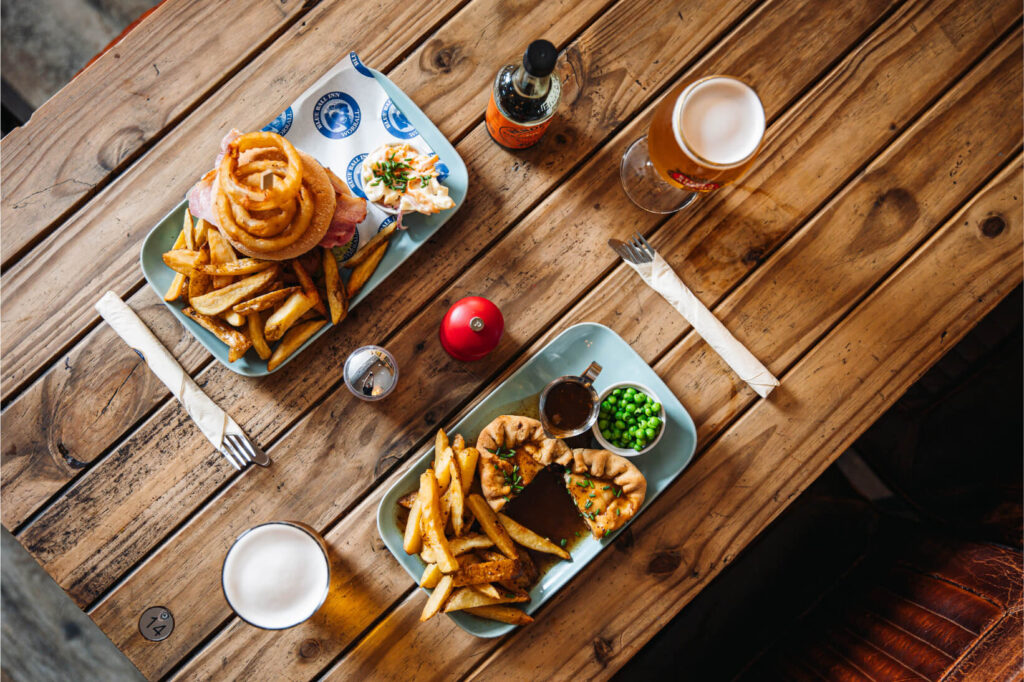
If you’re thinking about running a food-led pub, the first thing to be clear on is what that actually involves. For some operators, food feels like the obvious way to build trade. For others, it is something they assume they need to offer because that is what many modern pubs appear to do. The reality is more nuanced.
Admiral Taverns operates a largely community-focused estate, and many pubs trade successfully without a heavy food offer. At the same time, there are pubs with genuine food potential in the right locations, and those opportunities suit the right operators. This article looks at what a food-led pub really means in practice, when it makes sense to pursue that model, and how Admiral supports operators who want to take that route without forcing a single approach.
What do we mean by a food-led pub?
A food-led pub is one where food is a central part of the offer and not just an occasional addition. That usually means regular service, a functioning kitchen, a defined menu, and customers who visit with the intention of eating rather than simply calling in for a drink.
In practical terms, a food-led pub needs the space, equipment, and layout to support consistent service. The kitchen has to cope with demand at peak times, and the front of house needs to handle table service alongside bar trade. Stock management, ordering, and compliance all become more complex when food sits at the heart of the business.
This is different from pubs where food is supplementary, such as offering a small menu, snacks, or occasional specials. Those models can support trade without turning the pub into a restaurant environment. Being clear about that distinction early on helps avoid unrealistic expectations when considering food-led pubs to let or exploring a pub lease with kitchen facilities.
Are food-led pubs available to lease with Admiral Taverns?
They are, but they are not the majority.
Most of Admiral’s estate is built around community locals where drink drives the core trade. Food can sit alongside that in some pubs, and in certain locations it can become a stronger part of the offer. The difference usually comes down to the building and the area rather than the operator’s ambition alone.
A pub with genuine food potential tends to show it clearly. There will already be a workable kitchen, storage that makes sense, and a customer base that expects to eat out locally. In other sites, the demand simply is not there in a consistent enough way to justify turning food into the main focus.
That is why conversations with the recruitment team matter. They will talk through what the pub has done historically, what works in that particular area, and whether trying to lease a food-led pub in that location feels commercially sound rather than optimistic.
When does a food-led model make sense for a pub?
A food-led approach makes sense when the location genuinely supports it, not simply because food feels like the safer option.
The first question to ask is why people would travel to the pub during the day. Strong daytime footfall, nearby housing with limited local dining options, business parks, tourist traffic, or countryside locations where the pub becomes a destination can all make food viable. Parking and outdoor space also matter more than many expect. If customers cannot reach you easily or sit comfortably, repeat trade becomes harder to build.
Competition needs an honest look too. If several established venues already dominate the local food offer, you would need something distinct rather than just another similar menu. Kitchen size, staffing availability, and your own experience all play into this decision. Running food consistently is about routine and discipline as much as creativity.
For some operators, a pub with food potential is ideal because it offers room to grow gradually. For others, a simpler wet-led model fits better with the lifestyle and time commitment they want. The key is matching the pub to how you realistically want to work, rather than chasing a model that looks good on paper.
What challenges should operators consider before running a food-led pub?
Running a food-led pub brings extra layers of responsibility that go beyond serving drinks. It can work well, but it demands consistency and planning from the start.
Staffing is usually the biggest shift. You are no longer relying solely on bar staff. You need kitchen cover, someone responsible for food preparation, and systems that keep service running smoothly at busy times. Recruitment, rotas, and training take more time, and labour costs need careful control if margins are to remain healthy.
Food also tightens compliance requirements. Stock rotation, hygiene standards, supplier management, and menu pricing all require attention every day. Margins can look strong on paper, but they narrow quickly if waste creeps in or service lacks consistency. It is manageable, but it requires discipline and clear routines.
For some operators, that added structure is welcome. For others, it changes the pace of the business more than expected. Being realistic about the time and focus food demands helps you decide whether you want to lease a food-led pub or whether a simpler model would suit you better.
How does Admiral Taverns support operators running food-capable pubs?
Support begins with honest conversations about whether food is realistic for that particular site. Admiral does not assume every pub should become food-led, but where a kitchen and location make sense, the approach is practical rather than restrictive.
The recruitment team will talk through how the pub has traded previously, what level of food service is sustainable, and how it fits alongside drink sales rather than replacing them. That early clarity helps avoid overcommitting before you even open the doors. If you are new to the trade, guidance around running your first pub can also help you understand how food and bar operations work together day to day.
Once you are in the pub, support remains flexible. Advice is available on menu planning, supplier considerations, compliance basics, and balancing food with wet trade. You remain responsible for how the business is run, but you are not left to work it out alone. The aim is to help operators build something that suits the pub, the area, and their own strengths, rather than pushing a fixed model across every site.
How can I find food-capable pubs to let?
The simplest way to start is to browse pubs to let and look closely at the details in each listing. Kitchen facilities, layout, storage space, and previous trading style usually give a clear indication of whether the pub has genuine food potential.
If a site looks promising, raise the question early when you enquire. Ask how the pub has traded, what level of food has worked before, and whether the location realistically supports a food-led offer. You can also explore how to lease a pub with Admiral Taverns and discuss your plans directly with the recruitment team, who will help you decide whether the model fits the pub rather than the other way round.